
Focus groups and product tests: rewards, requirements, and risks
8 min read

By Pamela K · Editor, SurveyQueen
Sources last checked: · Researched and fact-checked
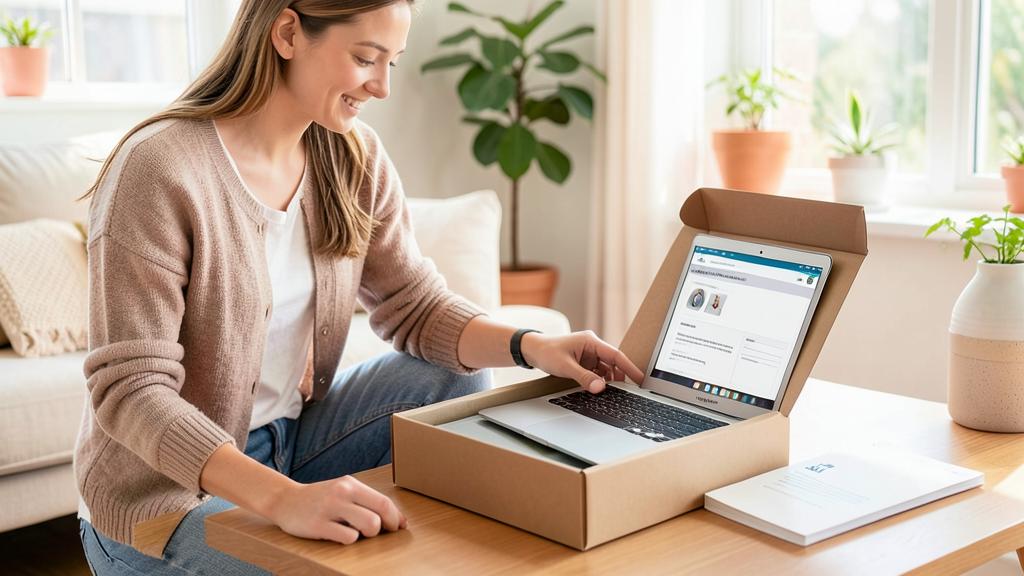
Above the survey tier sits qualitative research: focus groups, in-depth interviews, diary studies and in-home product tests. These usually pay more per session than surveys; each recruiter states the incentive for a study before you agree to take part.
Volume is the trade-off. Most people qualify for a handful a year, and those who get more have deliberately positioned themselves for it.
What each format involves
Online focus group: 60 to 90 minutes on video with six to ten people and a moderator. The recruiter states the incentive up front.
In-depth interview: 45 to 60 minutes one-to-one, often with a professional or clinical audience. Incentives are set per study and tend to rise with how rare the audience is.
Diary or community study: short daily entries over one to four weeks, usually with completion required for payment.
In-home product test: you receive a product, use it for a period, and report back. Pay is often modest but you keep the product, which for appliances or electronics can exceed the fee.
How recruiters actually choose
Recruiters fill quota cells like survey buyers, but they also screen for articulacy. Your open-text answers in the screener are read by a human. Two sentences of specific detail beat one word every time.
They also screen out professional respondents. Expect questions about how many groups you have attended in the last six months; being honest and saying 'none in the last year' is the strongest answer you can give.
Getting invited more often
Register directly with qualitative recruitment agencies in your nearest city, not only with online panels. They keep local databases and call from them.
Complete profile sections about your profession, purchase authority, and health conditions. These drive the highest-paying qualitative work.
Answer screeners promptly and be reachable by phone; qualitative recruitment is often a same-week phone call, and an unanswered call goes to the next person on the list.
The scams that imitate this tier
Casting-call scams promise an unusually large session fee and then ask for a background-check fee, a deposit, or bank details for 'direct deposit setup'. No legitimate recruiter charges a participant anything.
Check-overpayment scams send a check above the fee and ask you to return the difference. The check bounces after your transfer clears. Any request to move money outward ends the conversation.
Showing up well
Test your camera and microphone beforehand, join from a quiet room, and speak in specifics. Moderators keep informal lists of participants worth re-inviting, and the second invitation usually arrives faster than the first.
Frequently asked questions
- How soon do focus groups pay?
- Commonly 7 to 21 days after the session, by PayPal, bank transfer or a card issued at the facility. Agencies that pay same-day exist but are the exception.
- Can I attend groups for the same brand repeatedly?
- Usually not within six months, and many agencies enforce a longer gap. Attempting to hide previous attendance is the fastest way onto a blocklist.
Sources and verification
Researched and fact-checked. The claims on this page are checked against the primary sources listed below, not against a SurveyQueen test account. Sources last checked: .
- Participant support — User Interviews
Supports: Study participation, incentives and payment support. Source checked 2026-09-05.
- Panelist FAQ — Pinecone Research
Supports: Redemption minimum, reward options and when rewards are credited. Source checked 2026-09-05.
- Participant help center — Prolific
Supports: Participant eligibility, study payments, approvals and cash-out rules. Source checked 2026-09-05.
- Code of Standards and Ethics for Market Research and Data Analytics — Insights Association
Supports: Industry conduct standards that legitimate research panels follow. Source checked 2026-08-20.
- ICC/ESOMAR International Code and guidelines — ESOMAR
Supports: International research standards on participant treatment and data use. Source checked 2026-08-20.
Provider-published information is identified as such and can change at any time. No first-hand test result is claimed on this page. Nothing here is tax, legal or financial advice.
Keep reading
Not sure which site fits you?
Answer four short questions and see the survey sites that fit your age, location and interests. Free, US adults 18+.
Free. SurveyQueen may earn a commission if you join a site from your matches.